

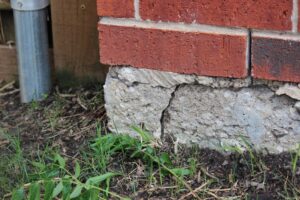
 Rental property investors should be aware that climate change is not solely an environmental issue; it also negatively impacts their finances. Shifting climate trends, increasingly severe weather occurrences, and extended seasonal stress on buildings are all making long-term maintenance expenses go up. The climate impact on rentals today is accelerating wear on roofs, HVAC systems, foundations, and exteriors, making maintenance related to climate a crucial aspect of protecting your property and planning for the future.
Climate Impact on Rentals & Why Investors Can’t Ignore the Shift
For decades, rental property maintenance adhered to fairly predictable patterns. This is especially true for seasonal maintenance that must be performed at approximately the same time each year. Those concepts are developing rapidly these days, much like our climate. Extreme weather and other climate shifts are changing how often rental properties need repairs, how long major systems can last, and how much investors must budget for regular upkeep.
The most challenging aspect of this situation might be that the climate impact renters encounter is not merely a single significant occurrence. It shows up through cumulative stress over time: progressively hotter summers, heavier rains, stronger storms, and changing winter temperatures that gradually but consistently lead to increased wear and maintenance costs.
This means the following for rental property owners:
- Briefer replacement cycles for crucial systems
- More frequent inspections and preventative repairs
- Higher long-term operating expenses (if planning doesn’t alter)
Disregarding changing climate trends can gradually diminish a portfolio’s profitability over time, which is regrettable. As a result, investors must begin strategizing immediately to mitigate the impact our changing climate will have on their profits.
Key Climate-Driven Maintenance Challenges
If we think about how climate and the environment impact rental properties, it becomes evident that our property exteriors will be the first to display signs of increasing wear. But climate change trends can also negatively impact large systems. Some of the key maintenance challenges that investors ought to recognize include:
- Heavier Rainfall and Flood Risk: Increased rainfall places greater strain on roofs, gutters, drainage systems, and foundations. Even residences that are not located in flood-prone areas can experience moisture intrusion, leading to mold, timber decay, and structural concerns that increase maintenance costs.
- Rising Temperatures and Heat Stress: HVAC systems have to work longer and harder during the summer when temperatures rise. Roofing materials, sealants, and exterior finishes deteriorate more quickly when subjected to prolonged heat and UV exposure, raising the incidence of replacements and repairs.
- Colder Extremes and Freeze-Thaw Cycles: In chilly regions, temperature variations lead to repeated freeze-thaw cycles. This leads to concrete fractures, masonry failures, and frozen or burst pipes, which can be costly and disruptive to repair.
- Increased Storm Intensity and Wind Damage: Stronger storms are more prone to shatter windows, harm siding, create issues with fences, and topple trees. Even when insurance covers major events, out-of-pocket expenses and repairs that aren’t included can impact financial liquidity.
Because of these and other climate-related events, the extra stress of climate change hastens wear and tear and accelerates the aging process of building materials. Roofs deteriorate more quickly, exterior paint deteriorates sooner, and mechanical systems conclude their effective lifespan earlier than anticipated.
As time progresses, this accelerated wear compounds costs. What once required maintenance every 10 to 15 years may now need attention much sooner, changing long-term budgeting and investment return projections.
Real Estate Climate Upkeep Strategies That Protect ROI
In a climate-stressed environment, a responsive method to repair and maintenance turns out to be significantly more expensive. Concealed expenses that influence profits include emergency repairs, tasks performed outside regular hours, and relocating tenants.
Preventive maintenance, on the flip side, encourages predictability. Property owners can extend and stabilize operating expenses and even reduce them by addressing minor issues as they arise.
Indeed, a clever strategy for real estate climate maintenance emphasizes durability and proactive measures. As a result, astute investors are placing increasing significance on:
- More frequent inspections of high-risk locations
- Climate-suitable materials and upgrades
- Better drainage, ventilation, and insulation
- Timely repairs to avoid weather-related growth
These strategies can help control costs and reduce surprise expenses when implemented collectively.
Climate Trends Are a Maintenance Reality, Not a Future Problem
The climate-related impact on rental properties is already influencing long-term maintenance costs. Investors who anticipate this shift and prepare for it now will be more prepared to protect and preserve the value and cash flows of their assets. That’s because climate-aware maintenance is not a choice; it’s strategic.
At Real Property Management Trustworthy, maintenance planning relies on current realities rather than previous assumptions. Your local experts in Pittsboro and the surrounding areas are prepared to assist you. Contact us online today or call 984-666-0912 to discover how our innovative, climate-aware maintenance approaches aid rental property investors in preparing with confidence.
This content is provided for general informational and educational purposes only and does not constitute financial, legal, tax, or investment advice. Readers should consult with licensed professionals regarding their specific circumstances.
We are pledged to the letter and spirit of U.S. policy for the achievement of equal housing opportunity throughout the Nation. See Equal Housing Opportunity Statement for more information.
